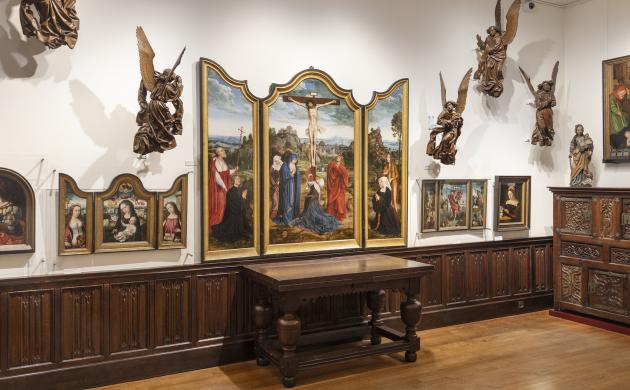
Radiant miniatures

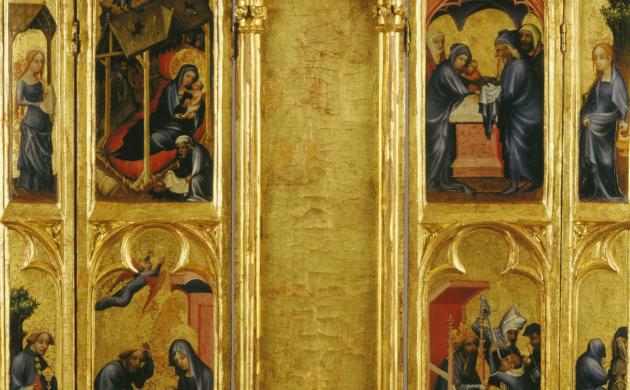
IN DEPOT | In 1898, in purchasing a beautifully illustrated prayer book, Fritz Mayer van den Bergh spent the highest sum he ever paid out: 35,500 francs, a fortune at the time. He knew what he was doing: this is an absolute masterpiece. It is now named after him.

A travel altar

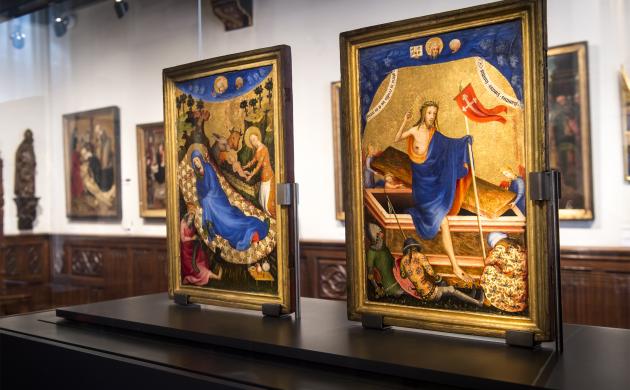
Paintings from before Jan van Eyck’s time are rare in this part of Europe. And there are hardly any well-preserved masterpieces from that period. These beautiful, radiant panels from around 1400 are therefore exceptional.

Man of Sorrows

The bloody and wounded Christ displaying his wounds and wearing the crown of thorns was a favourite subject of late medieval art. It was intended to arouse compassion in onlookers.

Despair and anguish

This scene is pure emotion. The bloodied body of Jesus has just been taken down from the cross and will be laid in the tomb. The dramatic scene was intended to encourage compassion and reflection in those who looked at it.

Lifelike

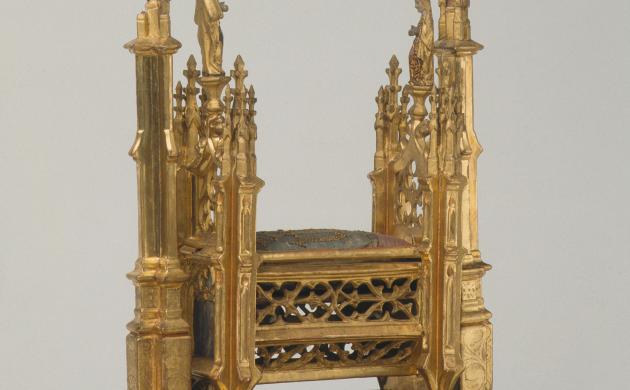
Cradles like this were usually found in nunneries. At Christmas time, the sisters would rock the cradle as if there was a real baby in it.

A procession of figurines

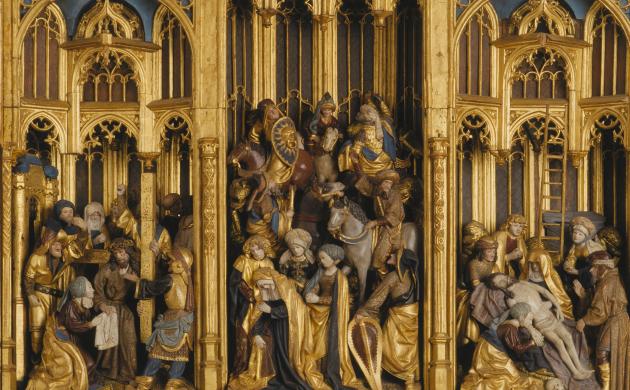
Retables with their numerous figurines are a beautiful sight. Large examples were intended to be placed on an altar or attached to the wall behind an altar. Smaller pieces like this were for private use.

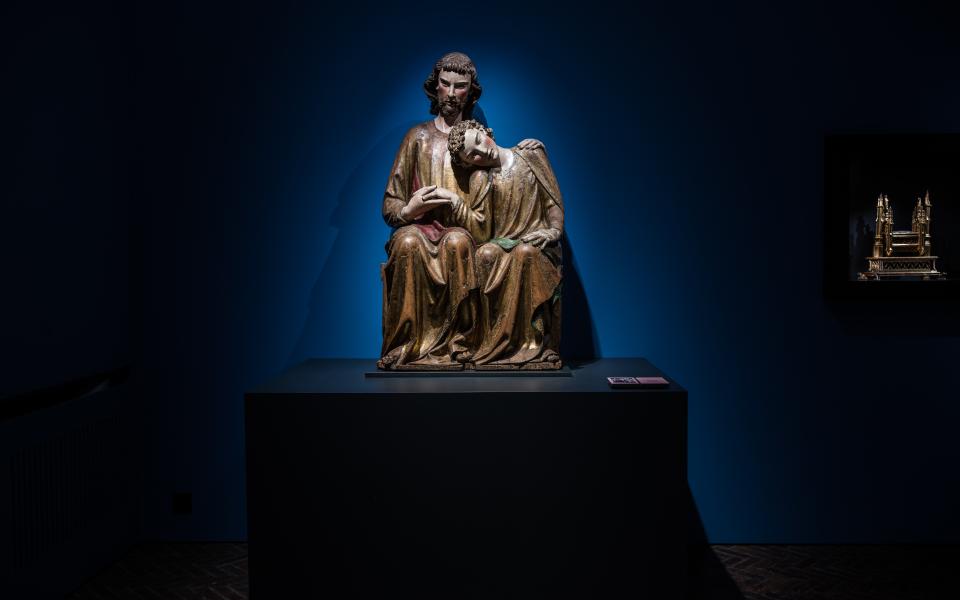
Gilded elegance

This is painting and sculpture together in one beautiful work: a gilded retable in the form of an elegant tower. A very wealthy client must have commissioned it – perhaps from the circle of the dukes of Burgundy.

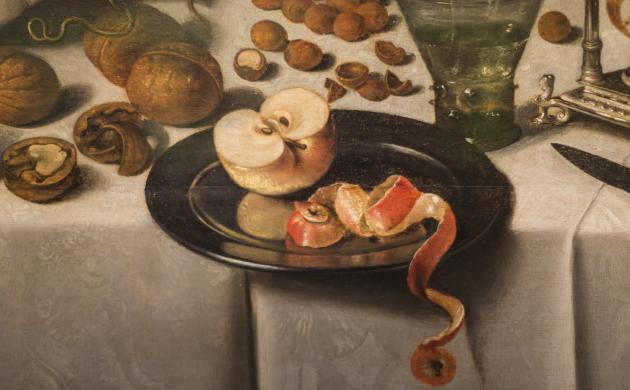
A lavish still life

Still lifes are a real treat. The genre flourished in 17th-century Netherlandish painting. The challenge for the painter was to make everything look truly lifelike...

Visit us online

Museum closed? The museum is always open online.

Accessibility

Everyone should be able to easily use and view the information on the website of the Museum Mayer van den Bergh, not least the visually impaired, blind, hearing impaired, deaf and persons with other disabilities. The Museum Mayer van den Bergh strives to make its website as accessible as possible, by 2022 at the latest. We do this in accordance with the EU directives and the Flemish Administration Decree.